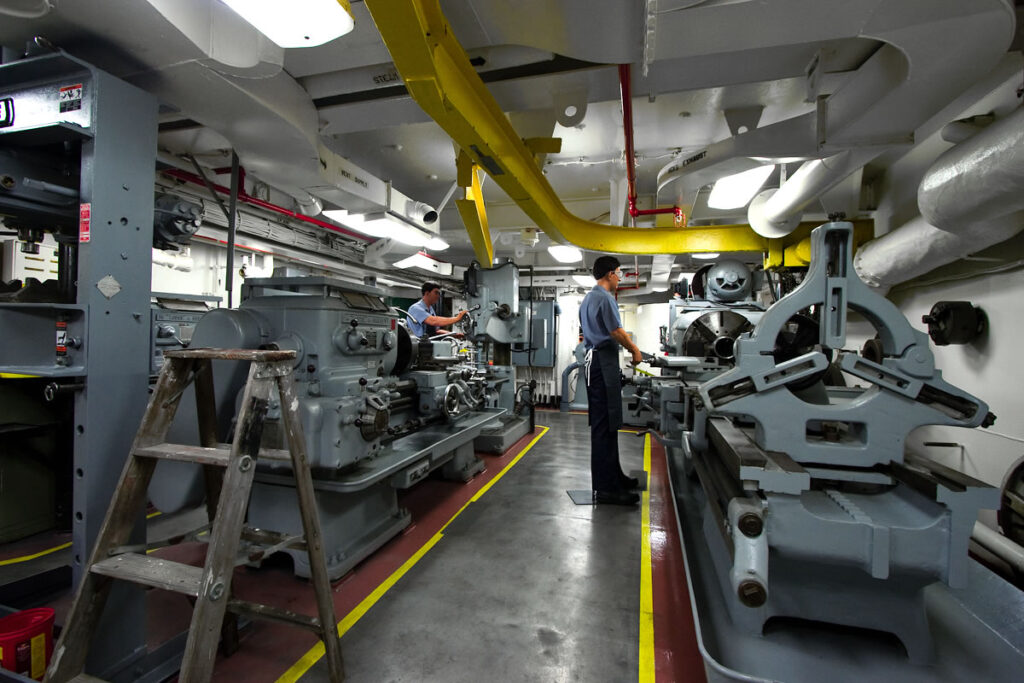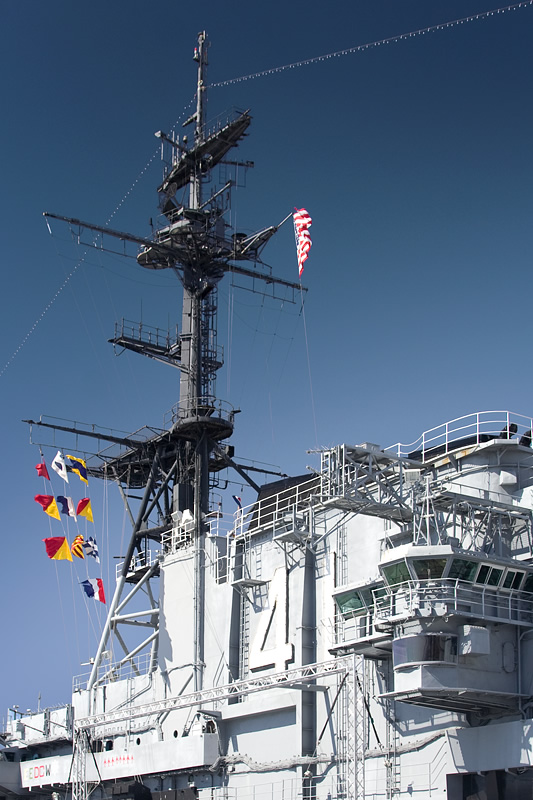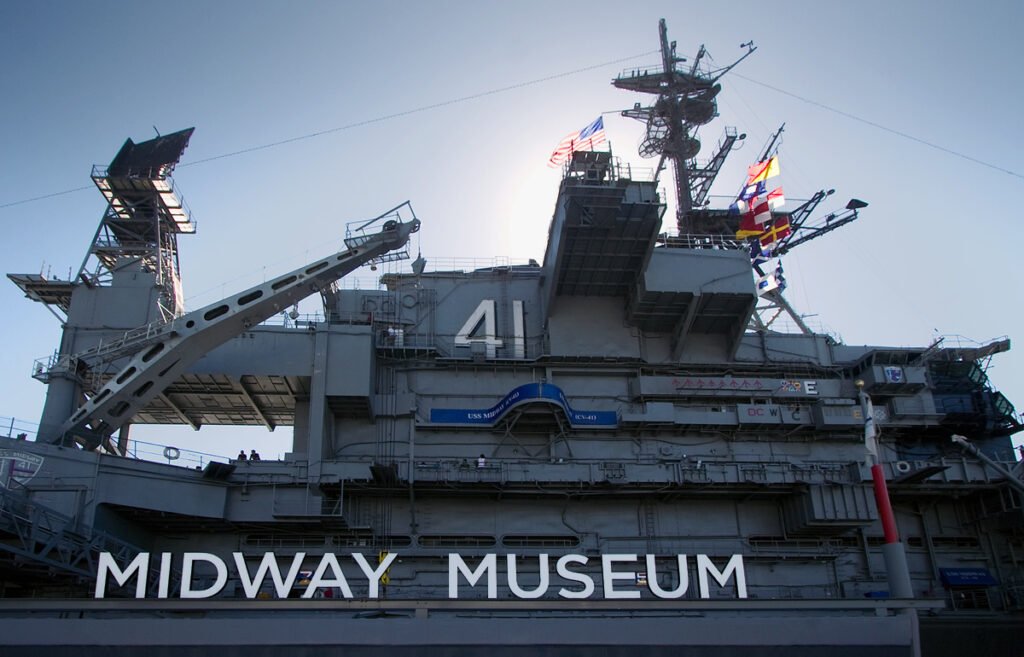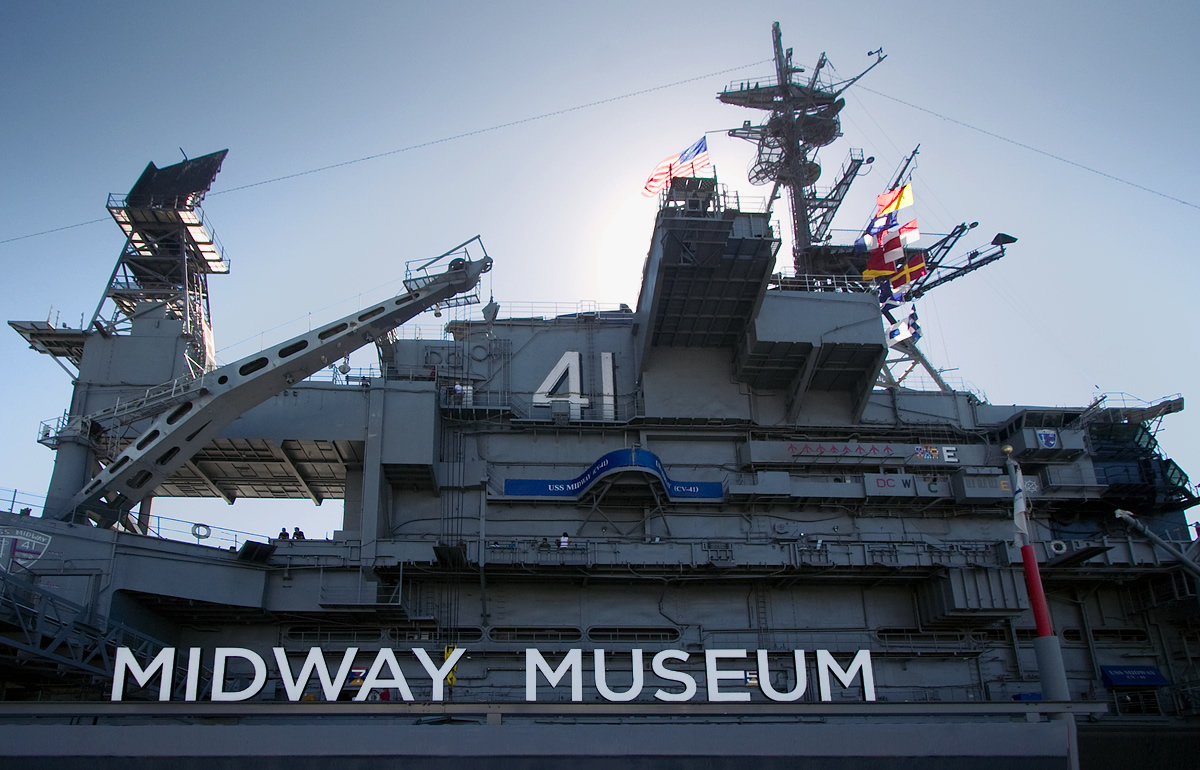

THE MIDWAY MUSEUM, SAN DIEGO, CA :: After walking around Balboa Park, I drove to downtown San Diego’s waterfront where the USS Midway is docked. The aircraft carrier was decommissioned in 1997 after 47 years of distinguished service, including the first and last air-to-air kills in the Vietnam War and the only perfect record as commanding flagship in Operation Desert Storm. No other carrier has served as long. Today, the famous warship is a fascinating museum, where the public can learn what life was like aboard a “city at sea.” Approximately 4300 crew were needed to support just 200 aviators.
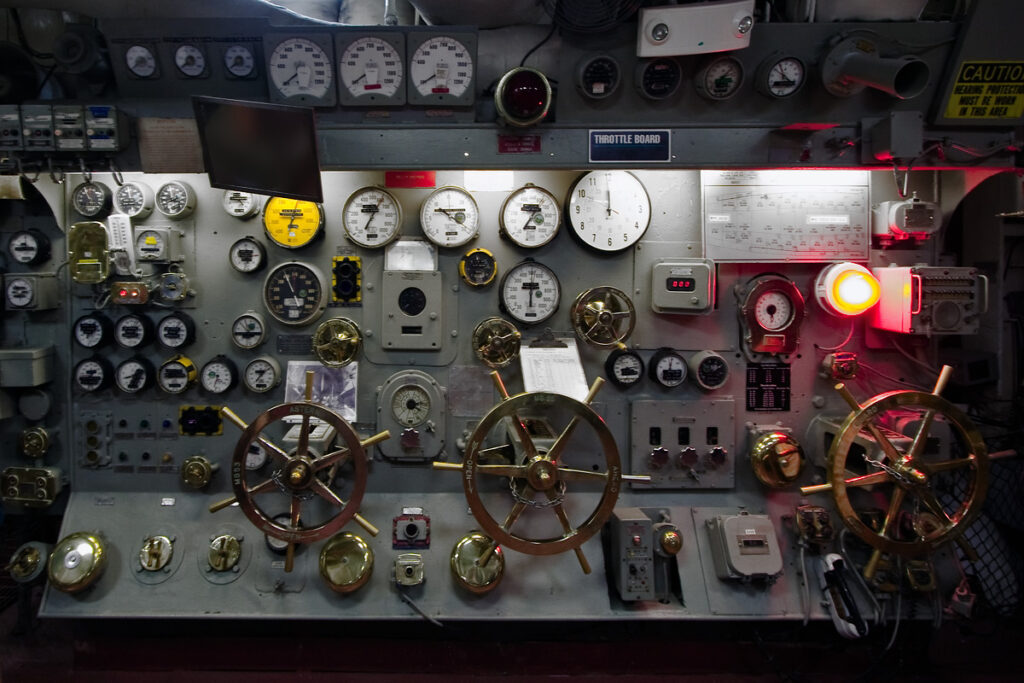
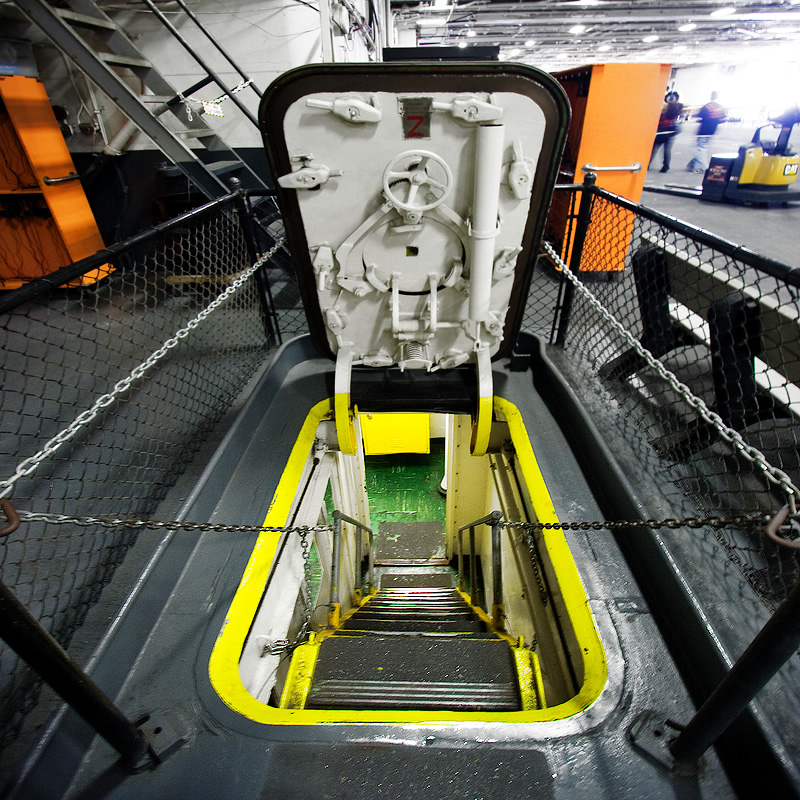
The tour starts in the large hangar bay where massive deck-edge elevators once loaded parked aircraft to the flight deck within seconds. After picking up a self-paced narration device, I was free to explore most of the ship, including the berthing quarters, anchor room, mess halls, engine rooms, sickbay and brig. Apparently, most of my experience with naval ships is derived from science fiction, because throughout the tour I was constantly thinking of Star Trek and Battlestar Galactica episodes, rather than any real-life episodes.
“So this is where McCoy spent most of his time cursing Kirk,” I thought as I walked through the sickbay. “And this is where they keep the Cylons,” I imagined as I walked behind the bars of the brig. I think the teleporter room was off-limits, for obvious safety reasons.
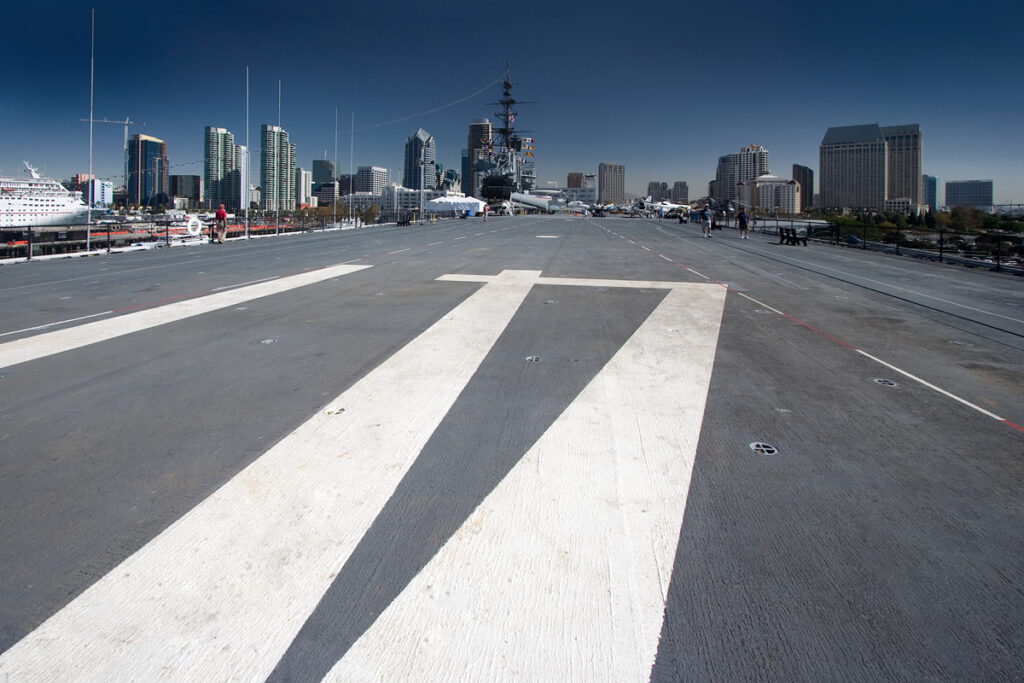
After tunneling through the confusing labyrinth of narrow corridors, portals, and stairs for a couple hours, I was craving some natural light. Plenty of that was found on the flight deck, along with many planes, helicopters and other exhibits. The deck spans four acres and is longer than three football fields at 1001 feet, although the actual landing area with the arresting wires is less than the size of a tennis court.
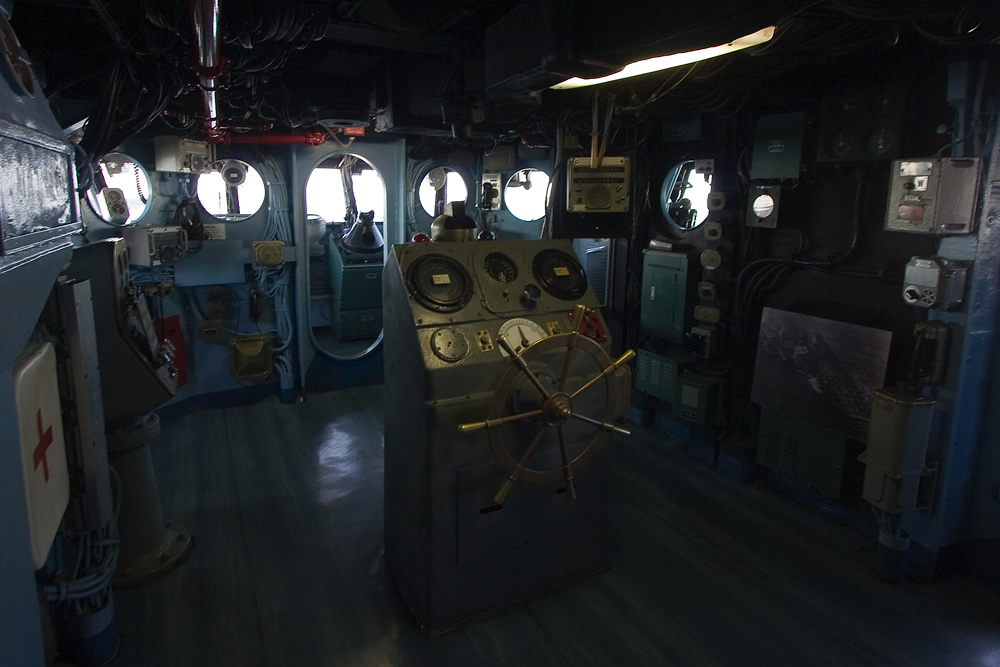
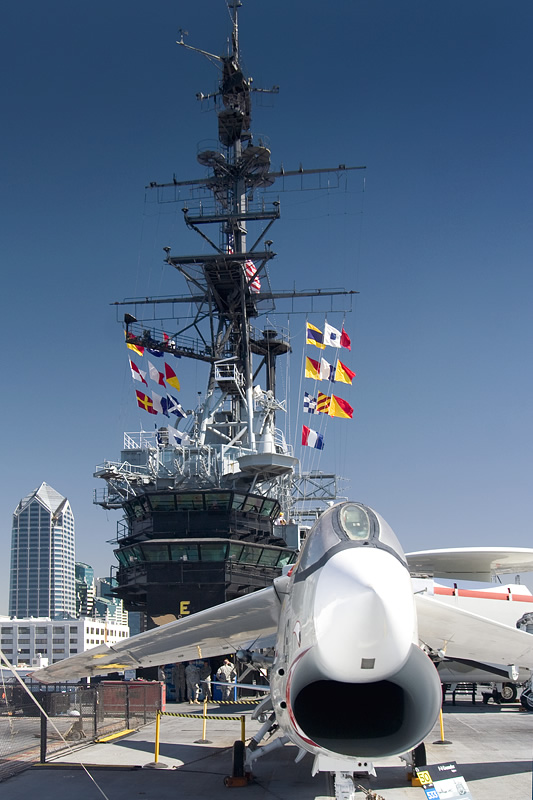
The Island, essentially the bridge and flight control tower, is the last and best area to tour on the flight deck. Here, retired-Navy volunteer docents lead small groups up several flights of stairs and speak about how these areas were used, while demonstrating the charts and controls, and sharing their own personal stories. It’s all pretty frakking amazing.